What does psychology say about mental illness?
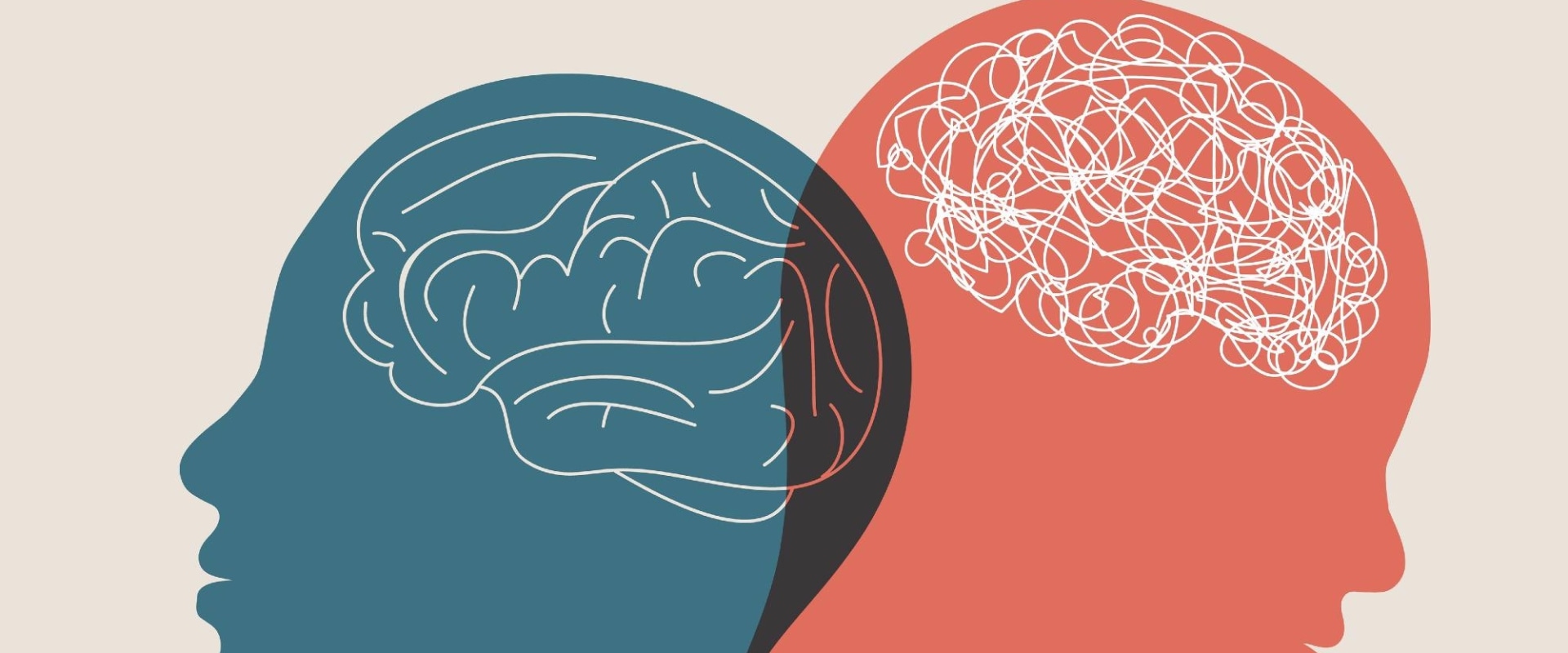
Mental illness is nothing to be ashamed of. One of the biggest problems, he says, is that mental illness diagnoses are often general categories that include many different underlying dysfunctions. Mental illnesses have always been described by their external symptoms, both out of necessity and convenience. However, just as cancer patients are a very diverse group characterized by many different pathologic pathways, a diagnosis of depression is likely to encompass people with many unique underlying problems.
This presents challenges in defining the disease in biological terms. Depression has patterns, Mayberg says. The caveat is that different patient cohorts clearly have different patterns and are likely to need different specific interventions. Mental illnesses, also called mental health disorders, refer to a wide range of mental health conditions (disorders that affect mood, thinking, and behavior).
Examples of mental illness include depression, anxiety disorders, schizophrenia, eating disorders, and addictive behaviors. Mental health includes our emotional, psychological and social well-being. It affects the way we think, feel and act. It also helps determine how we manage stress, relate to others, and make healthy choices.1 Mental health is important at all stages of life, from childhood and adolescence to adulthood.
Related guides

Are there any updates or changes to NDIS policies and regulations covered on NDIS Learning Hub?
Exploring the latest updates and changes in NDIS policies and regulations on the NDIS Learning HubAs an…

How can I support participants with complex needs through NDIS Learning Hub?
Supporting participants with complex needs through the NDIS learning center: an expert perspectiveThe…

How does psychology promote health and well-being?
Psychologists of the impact of psychology use scientific research to better understand perception, learning,…